Evidence of Progress
How to communicate progress in a way that matters — before and after, progress toward goal, comparisons.
Reference: https://doi.org/10.1017/CBO9781139547369.022
How to communicate progress in a way that matters? The distinction between tracking activity and tracking learning is critical: completing 80% of lessons does not mean acquiring 80% of the skill. The patterns below focus on showing learners evidence of actual capability growth.
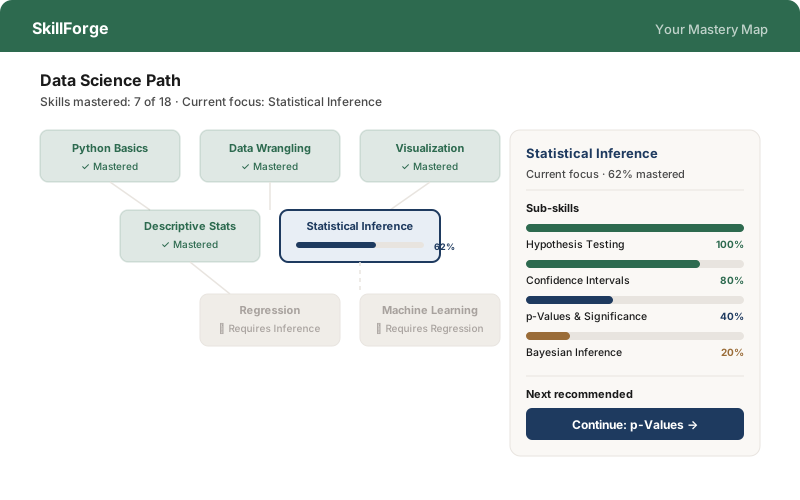
Show mastery maps that reveal what the learner can do, not just what they have completed
This skill tree shows the learner’s current mastery across sub-skills, with progress bars, prerequisite relationships, and locked future topics. The right panel breaks down the active skill into sub-components, so the learner knows exactly where to focus — not just that they should “keep going.”
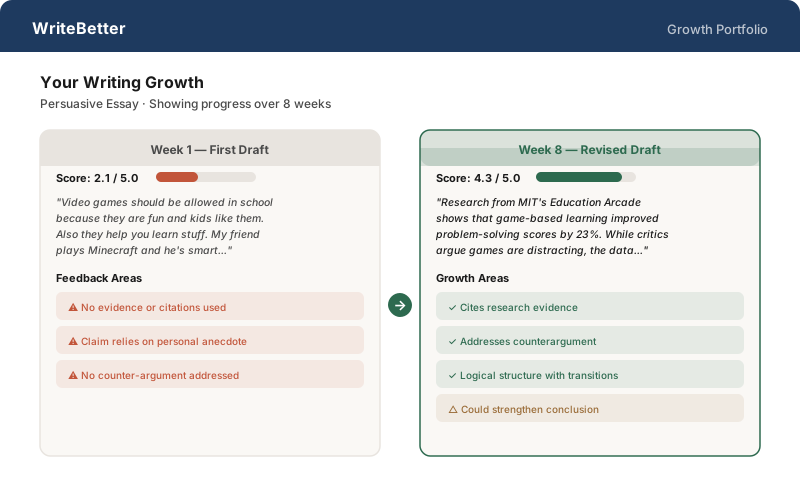
Use before-and-after comparisons to make growth visible
This writing portfolio places a Week 1 draft alongside a Week 8 revision of the same assignment. Concrete feedback annotations highlight specific improvements — from “no evidence” to “cites research,” from “personal anecdote” to “addresses counterargument.” The comparison makes growth tangible in a way that a score alone cannot.
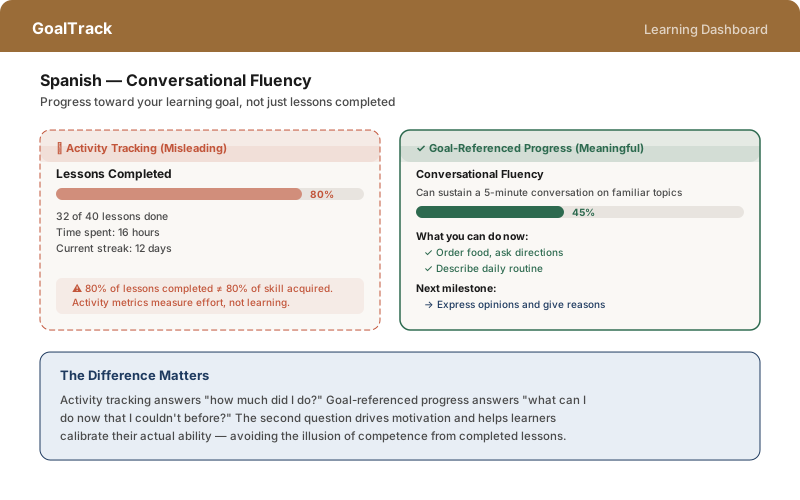
Reference progress to learning goals, not activity metrics
Activity tracking (lessons completed, time spent, streak length) answers “how much did I do?” Goal-referenced progress answers “what can I do now that I couldn’t before?” This comparison shows how the same learner’s data looks under both frames — and why the goal-referenced version is more honest about actual capability.
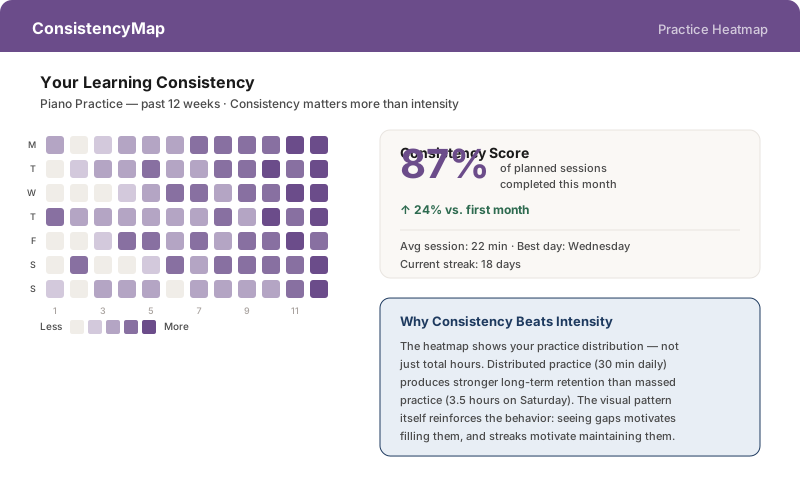
Visualize consistency over time to reinforce distributed practice
This practice heatmap shows 12 weeks of piano practice, revealing the shift from sporadic early sessions to consistent daily practice. The visual pattern itself reinforces the behavior — seeing gaps motivates filling them, and streaks motivate maintaining them. Distributed practice produces stronger retention than massed practice, and the heatmap makes that principle visible.