Generative
Patterns that help learners actively make sense of material so they can build meaningful learning outcomes that transfer to solving new problems.
Reference: https://doi.org/10.1017/CBO9781139547369.014
Generative learning strategies ask learners to produce something — an explanation, a summary, a drawing, a lesson — rather than passively absorbing material. The effort of generation forces the learner to select what matters, organize it, and integrate it with what they already know.
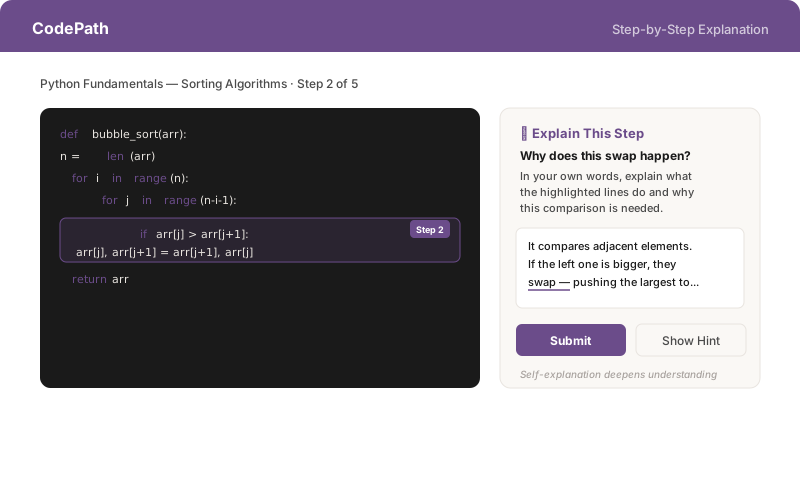
Insert self-explanation prompts alongside worked examples to deepen understanding
This coding lesson pauses at a highlighted step and asks the learner to explain what the code does and why. Self-explanation forces learners to articulate the reasoning behind each step rather than passively reading through it.
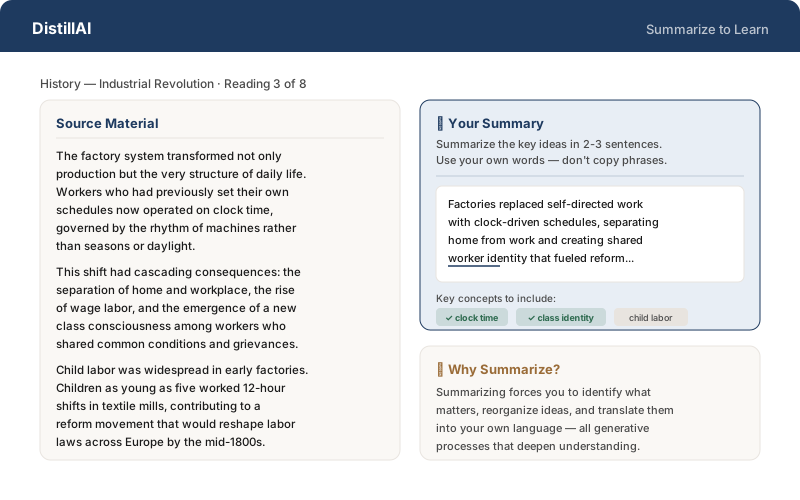
Ask learners to summarize material in their own words, with scaffolding for key concepts
This history lesson presents source material alongside a structured summarization prompt. Concept tags show which key ideas the learner has covered, turning summarization from a vague instruction into a concrete, checkable activity.
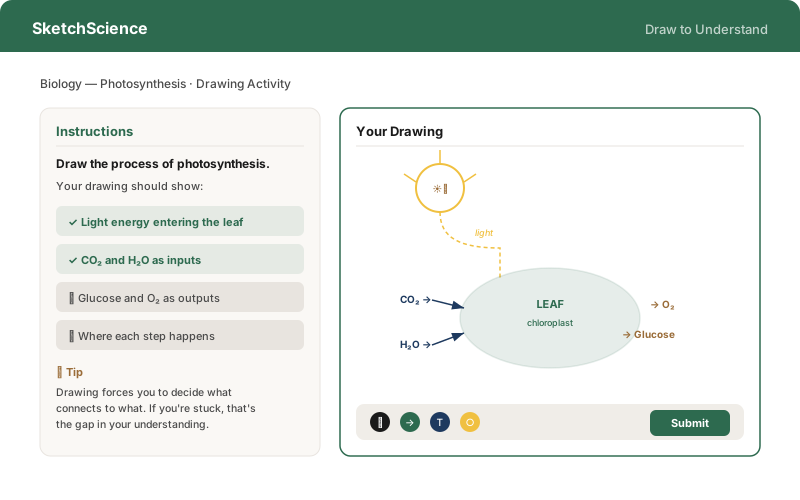
Use supported drawing activities to make learners externalize their mental models
This biology activity asks learners to draw the process of photosynthesis with a structured checklist of what to include. The drawing canvas provides basic tools while the checklist scaffolds the task — identifying where you get stuck is where the learning happens.
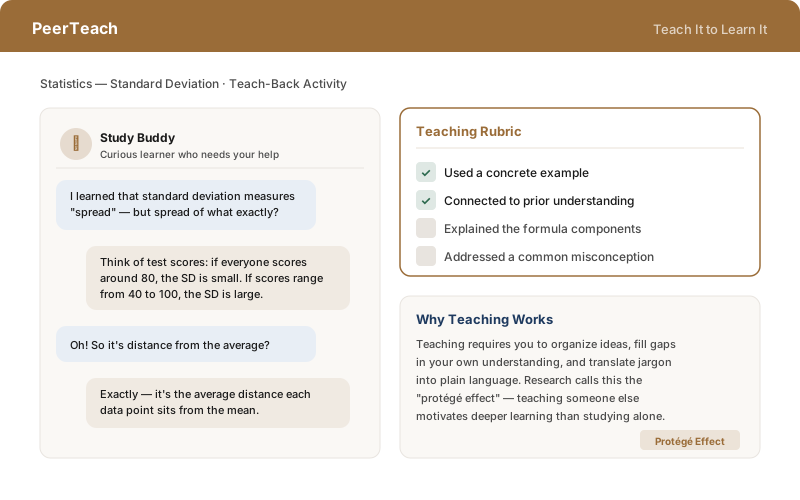
Design teach-back activities where learners explain concepts to a peer or virtual character
This teach-back interface pairs the learner with a virtual study buddy who asks genuine questions. A rubric tracks whether the explanation hits key criteria — concrete examples, connections to prior knowledge, common misconceptions addressed. The protégé effect means learners are more motivated to understand deeply when someone depends on their explanation.