Control and Motivation
The learner control principle suggests that giving learners control over their instruction by allowing them to pace, sequence, and select information aids learning if learners possess high levels o...
Reference: https://doi.org/10.1017/CBO9781139547369.025
The learner control principle suggests that giving learners control over their instruction by allowing them to pace, sequence, and select information aids learning if learners possess high levels of prior knowledge and if they receive additional instructional support to orient themselves in the learning environment and to self-regulate their learning.
Always give learners options to progress at their own pace, replay audio or animation, review prior topics/lessons, and quit the program
This Mystery Science Lesson gives plenty of viewer control over videos

Give learners choices over topics and instructional methods such as practice when they have related prior knowledge and skills
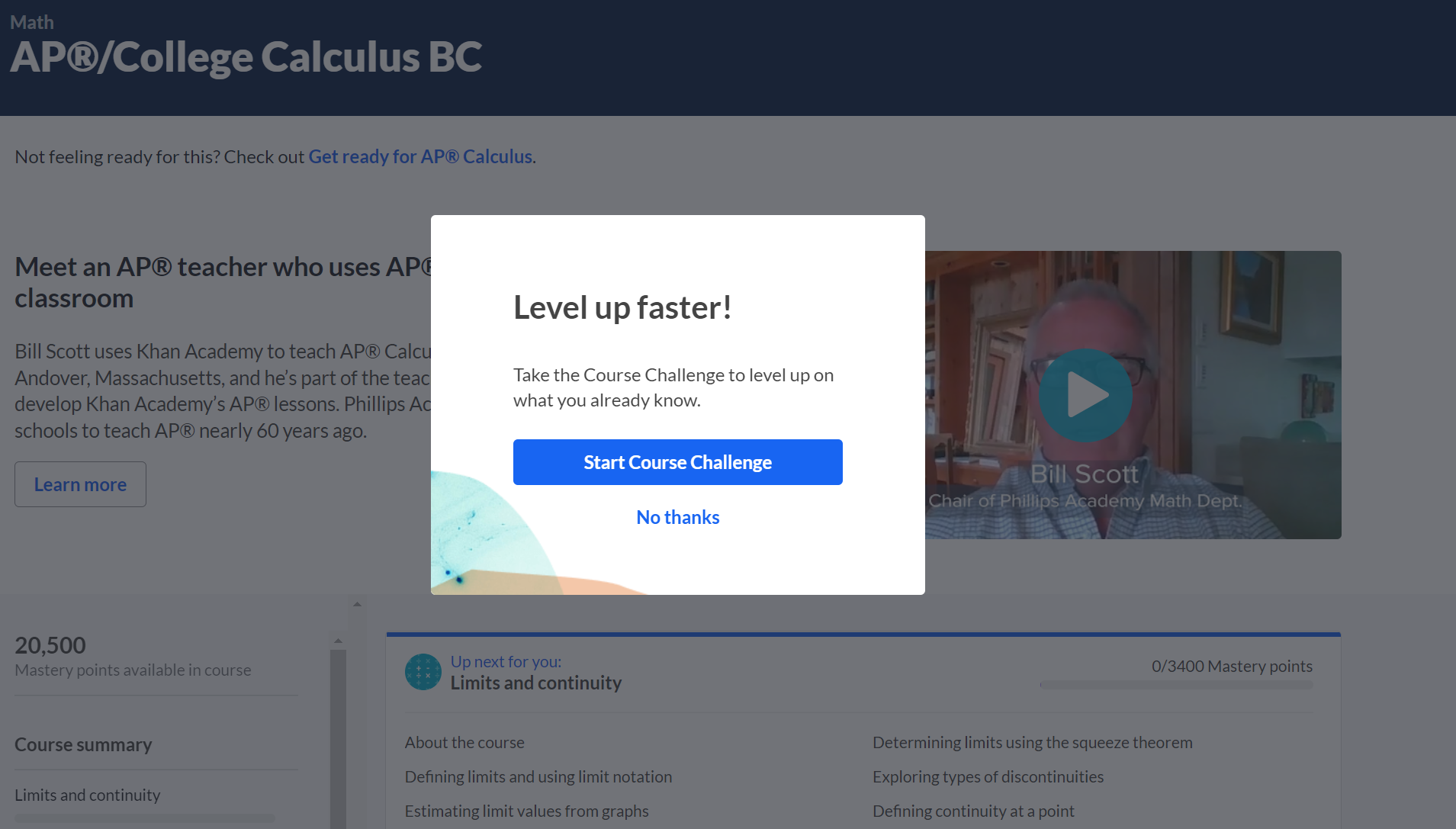
This Khan Academy Lesson allow users to “test out” of content.
Give learners choices over topics and instructional methods such as practice when courses are advanced
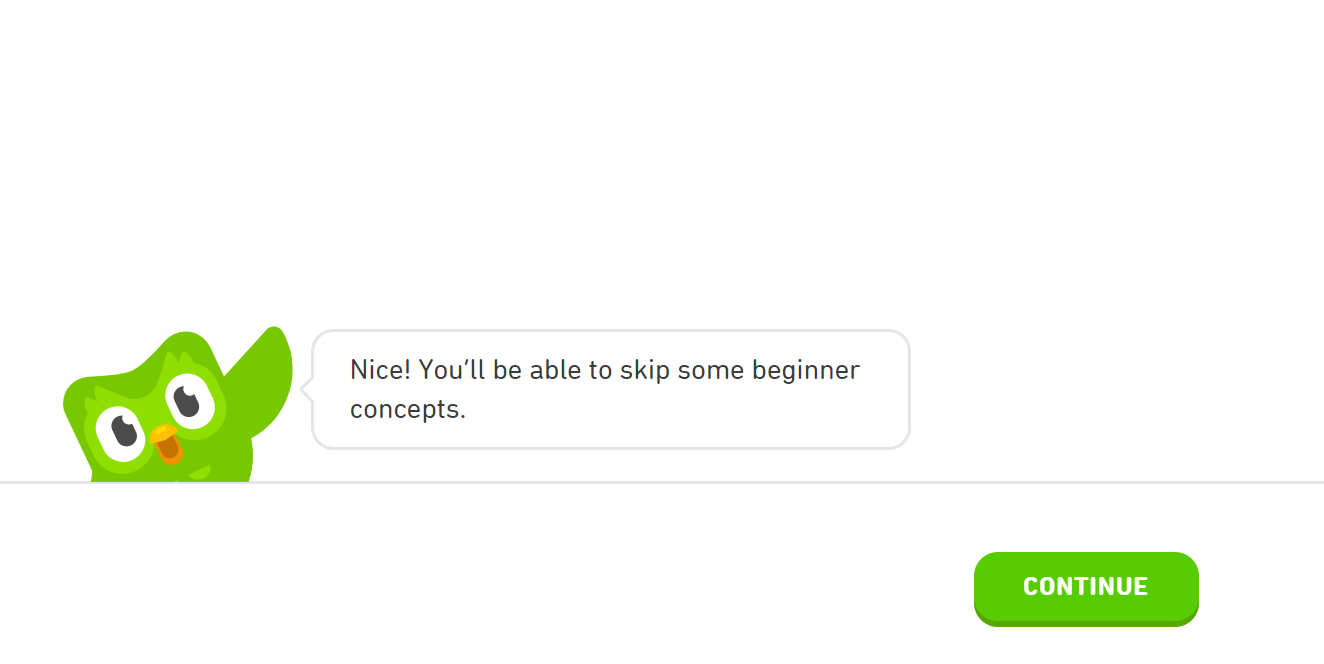
Duolingo allows users to select topics at intermediate/advanced levels
Make important instructional moments the default navigation destination (e.g. practice)
This Mystery Science Lesson makes quizzes the default follow up to videos.

Provide learner agency by allowing them to personalise content based on their interests.
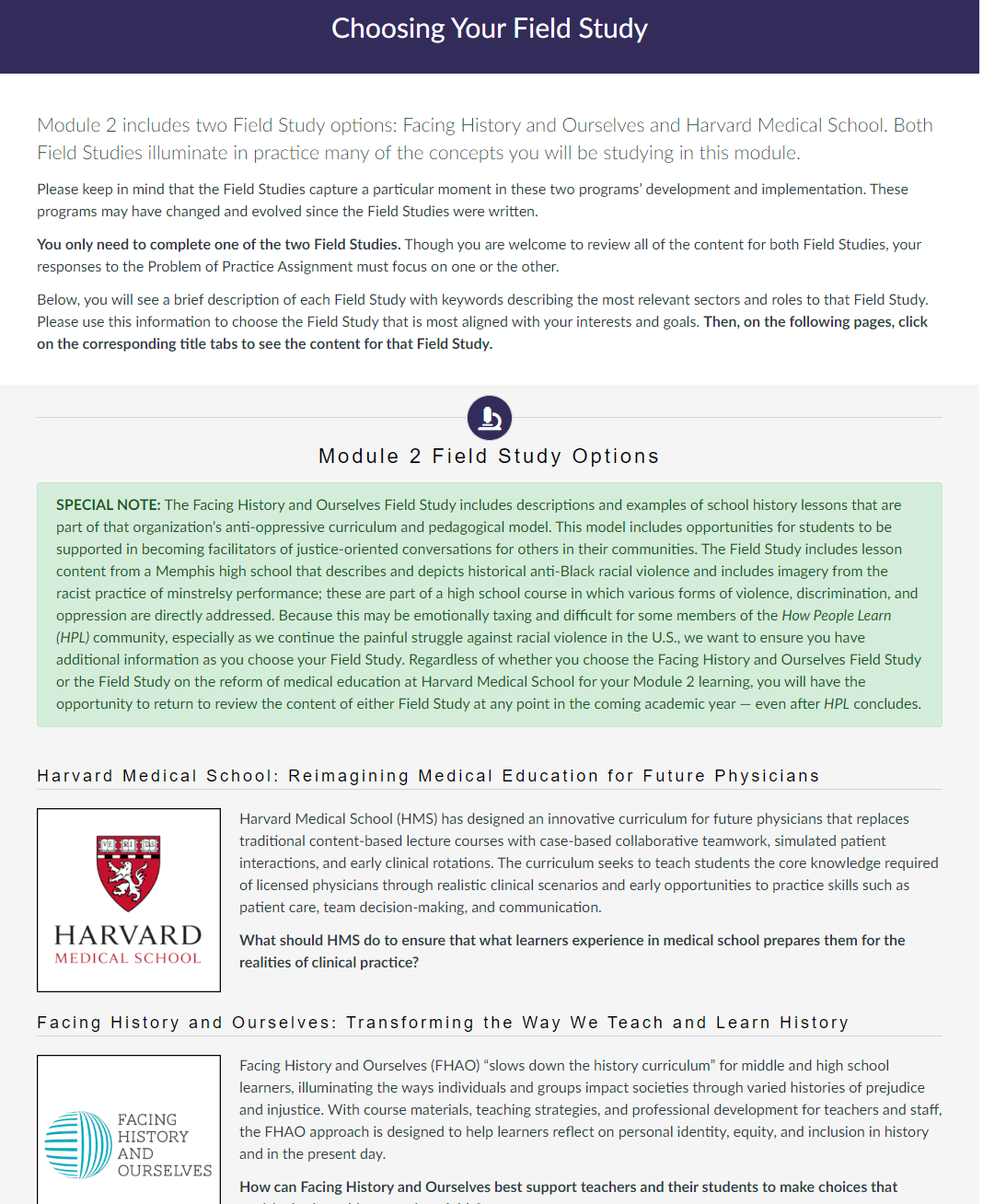
HGSE How People Learn modules allow learners to choose what case studies to focus on based on interest.
Give less control to complete novices or if the logical sequence of lessons are important.
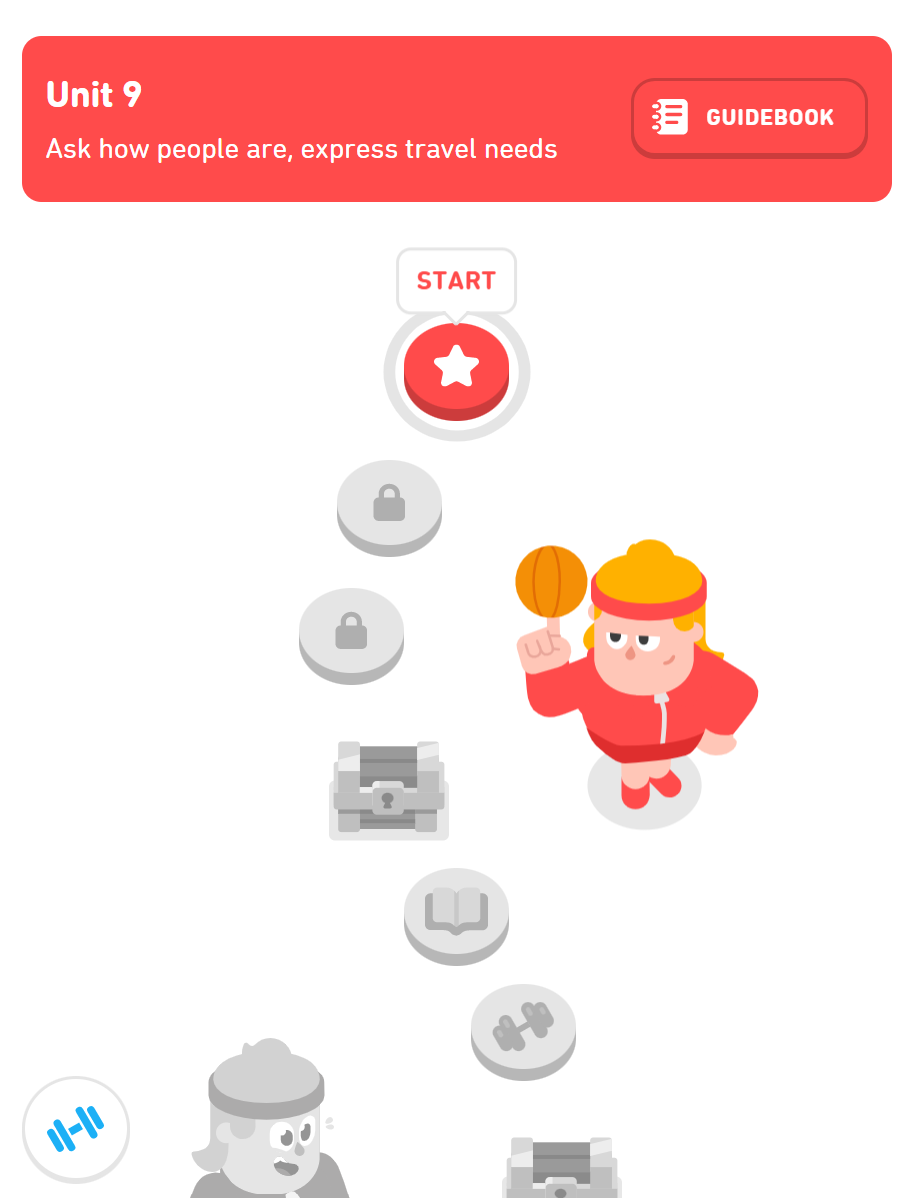
Beginners in Duolingo have to follow a fixed sequence of lessons.