Personification
The personalization principle is that people learn more deeply when the words in a multimedia presentation are in conversational style rather than formal style.
Reference: https://doi.org/10.1017/CBO9781139547369.017
The personalization principle is that people learn more deeply when the words in a multimedia presentation are in conversational style rather than formal style.
people do not necessarily learn more deeply with a visible human image - it creates split attention
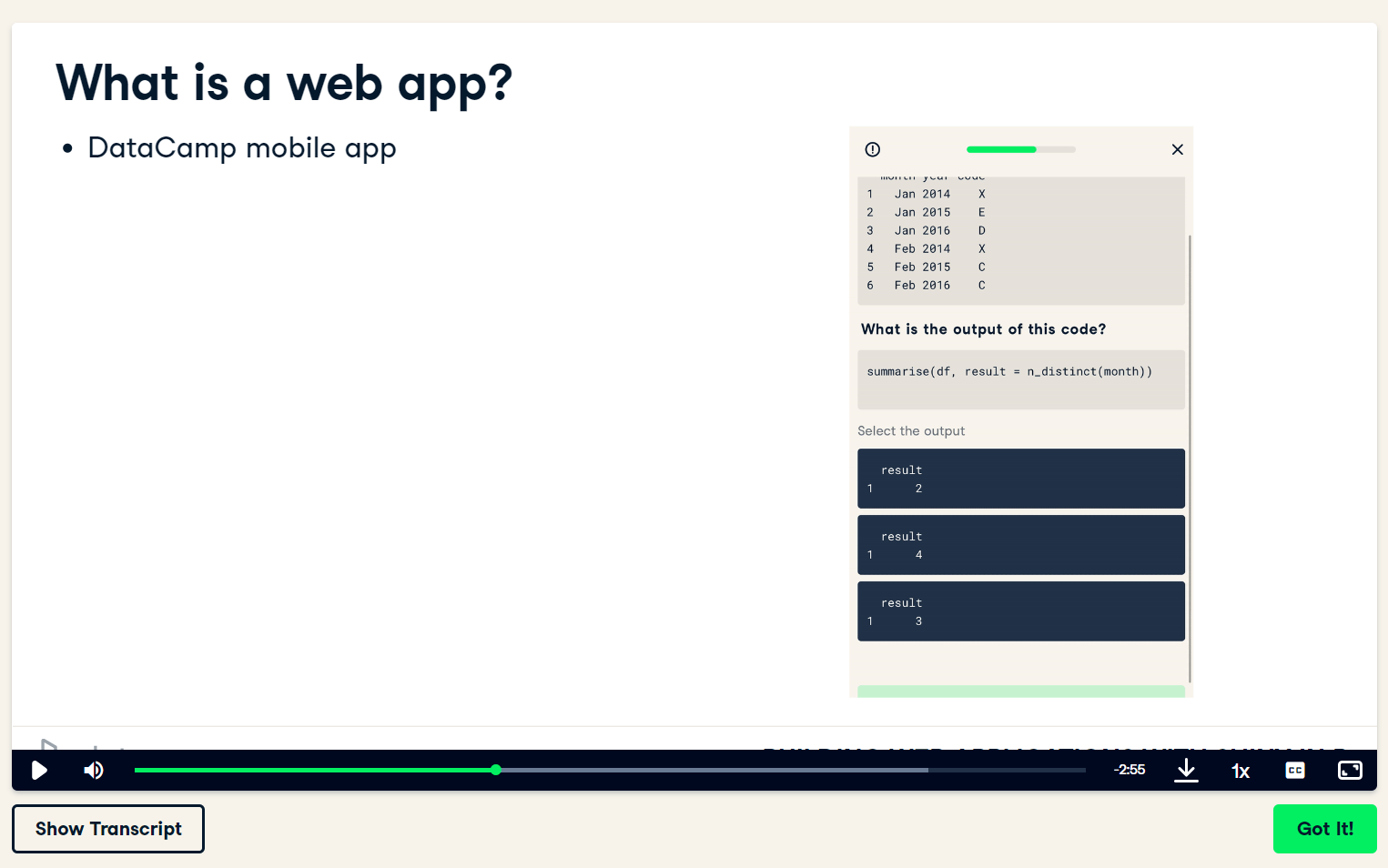
Datacamp videos do not include the presenters face on screen, even though each instructor is a domain expert.
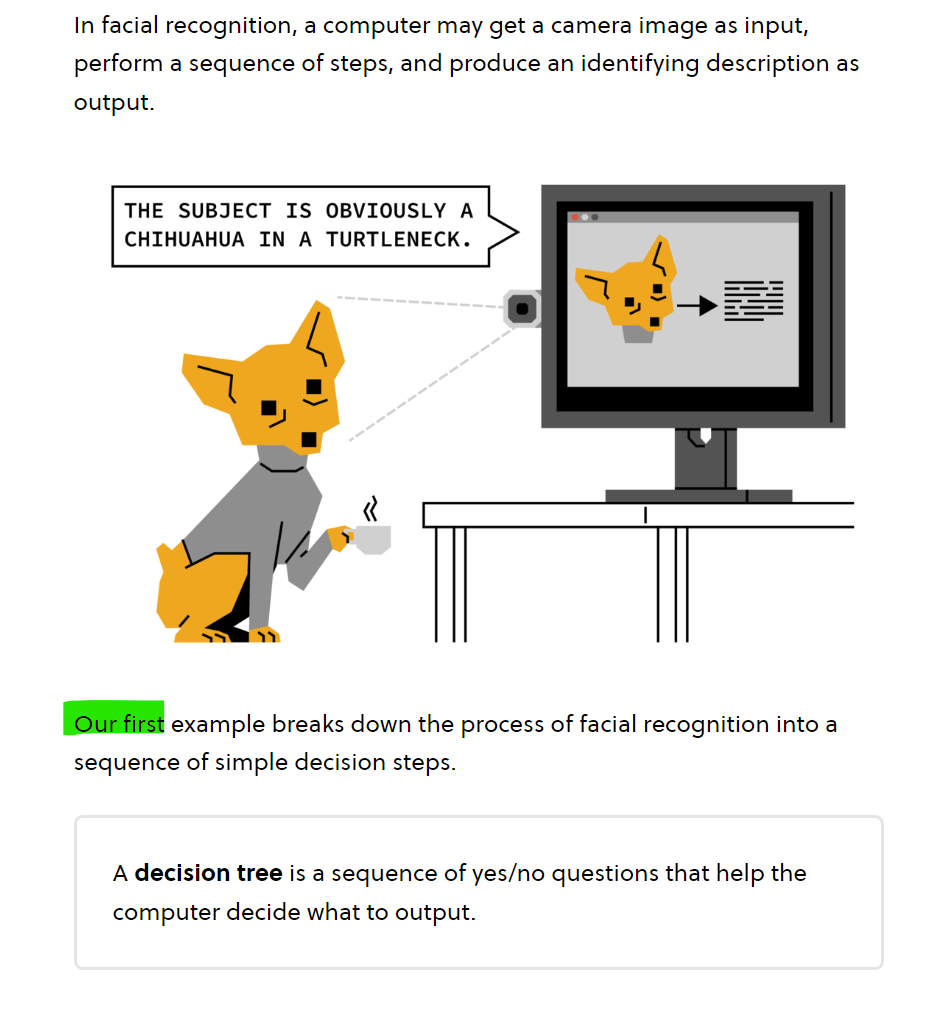
Write in a conversational style using first and second person
This Brilliant.org lesson on algorithms writes with first-person language in a very conversational tone.
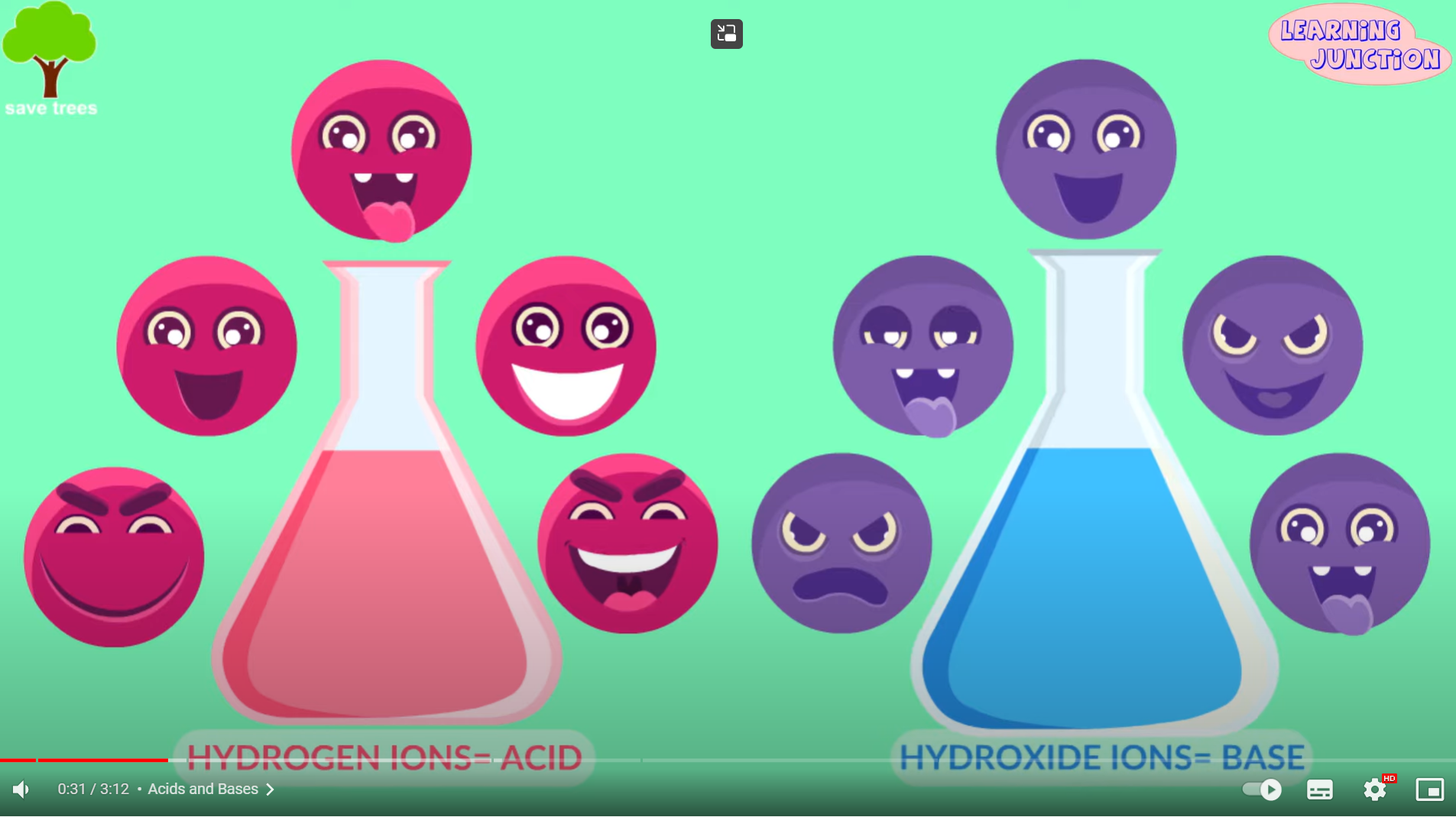
To improve motivation, design relevant graphics using warm colors and human features such as eyes and facial expressions
This learning junction animation adds facial features to molecules.
When using a virtual coach, design it with life‐like features such as eye gazes and gestures
This MarcoPolo Learning video uses animated pedagogical agents with animal features but human expressions.

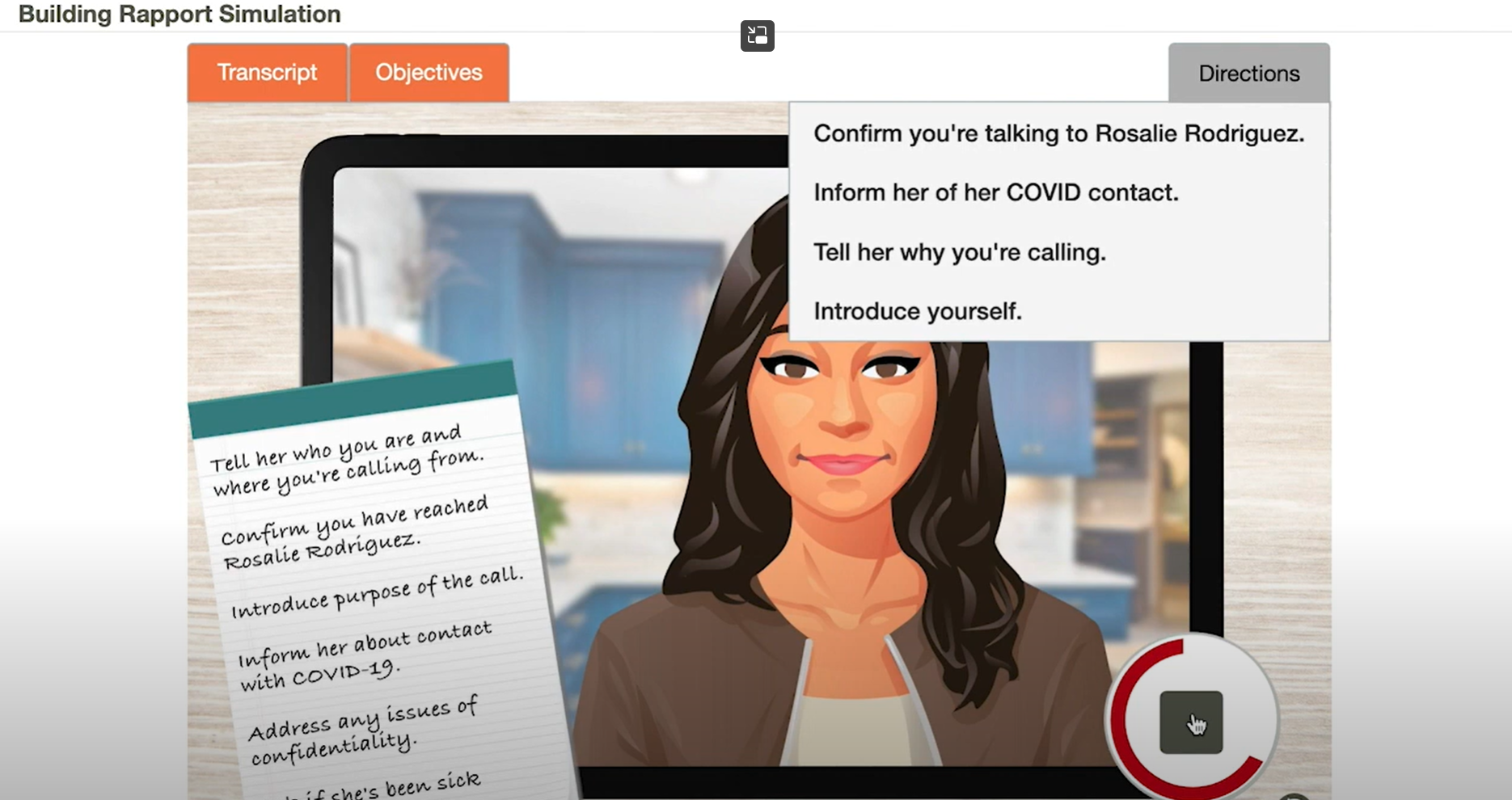
Use virtual coaches (agents) that serve a relevant instructional purpose such as providing feedback, examples, and hints
Alelo uses 2D and 3D avatars as pedagogical agents to simulate real-world situations in staff training.
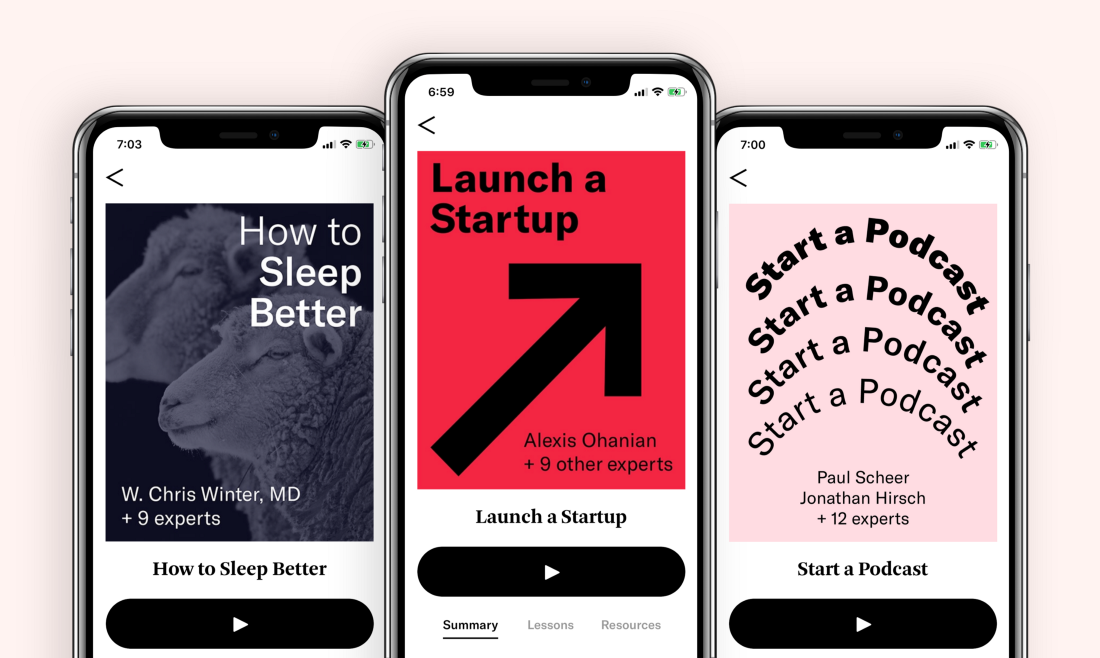
Script audio in a conversational style using first and second person
Knowable’s audio lessons are delivered by “familiar voices” speaking to the listener in a conversant style. (Like Masterclass, but audio)